The Rio Jaguaribe Mangroves
in Fortim
Before it reaches the sea, the Rio Jaguaribe runs through miles of mangrove. It is a forest that stands in salt water, grows to the rhythm of the tide and is home to the mangrove crab. Knowing what you are looking at changes a boat trip in Fortim.
A forest between the river and the sea
A mangrove is the forest that grows where a river meets the sea. The water is a mix of fresh and salt, the ground is mud, and the tide floods and drains it twice a day. Few trees can take that much salt, and the ones that can have their own tricks: roots that rise out of the mud to breathe, leaves that push salt out, and seeds that sprout while still on the tree.
In the Jaguaribe estuary, mangroves cover about 11.6 km², according to a Semace figure cited in a 2013 study from the Federal University of Ceará (UFC). The same paper places the area on Brazil's semiarid northeast coast, where mangroves are small and the tidal range is 2 to 4 metres. Ceará as a whole has around 182 km² of mangrove, almost all of it confined to estuaries.
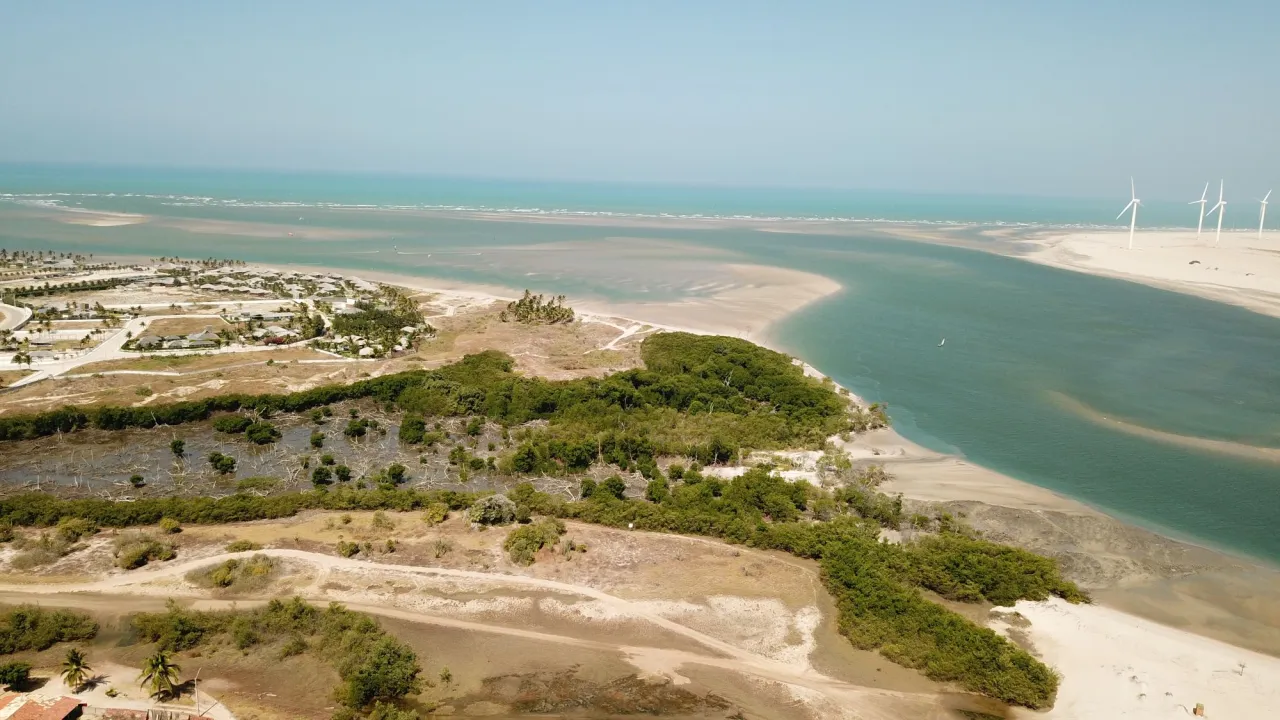
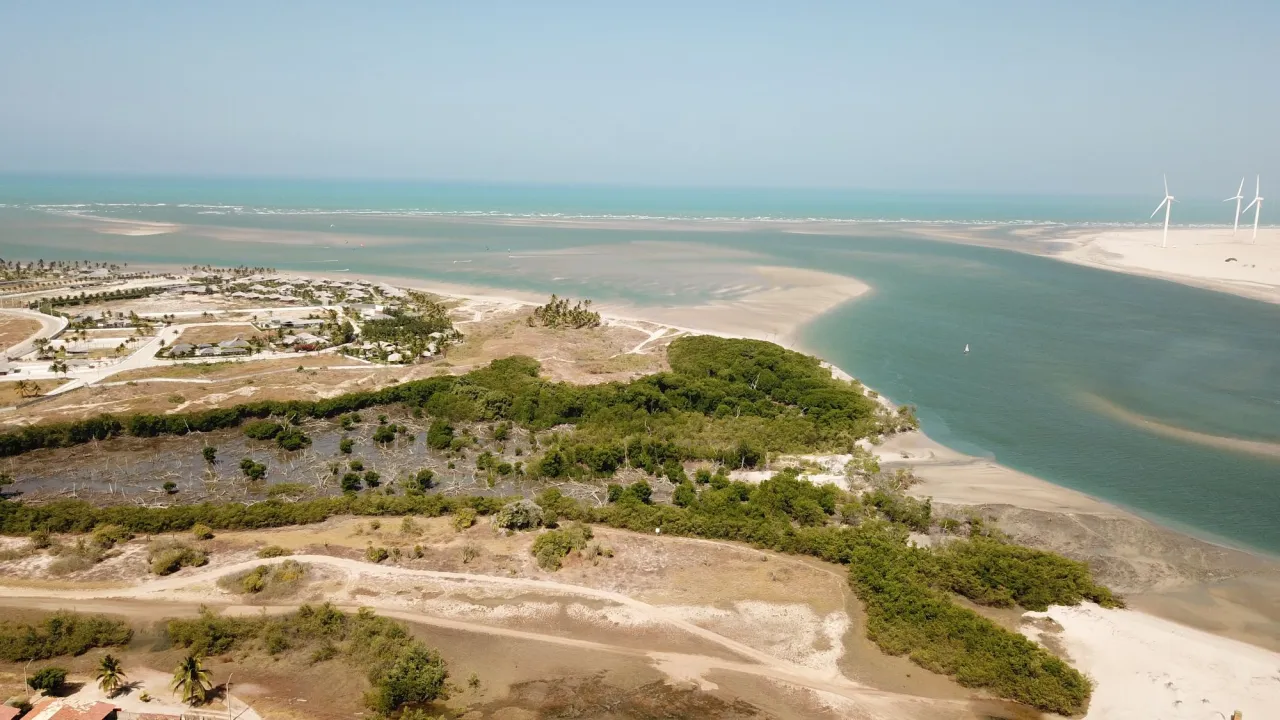
In Fortim, the mangrove lines the river banks near the river mouth and continues upstream to side channels such as the Canal do Amor. It also surrounds the mouth of the Pirangi River, on the other side of town.
Red, black and white mangrove
Three kinds of tree make up most of Ceará's mangroves. A survey of the Acaraú estuary, in the west of the state, found all three, plus buttonwood. Local names change from place to place, so it helps to recognise each one by its look:
- Red mangrove (*Rhizophora mangle*): the one with arching roots that drop from the trunk and hold the tree up like legs. Scraped, the bark shows a reddish colour. Its seeds sprout while still on the branches and fall ready to stick in the mud. It usually grows closest to the water.
- Black mangrove, locally siriúba (*Avicennia*): a dark trunk surrounded by dozens of small spikes poking out of the mud. These are pneumatophores, roots that breathe. The leaves push out salt and sometimes look whitish.
- White mangrove (*Laguncularia racemosa*): the easiest clue is the red leaf stalk, where the glands that release salt sit. It grows further inland and is one of the first trees to take over new ground.
The mangrove crab and its neighbours
The best-known resident is the caranguejo-uçá, the mangrove crab (*Ucides cordatus*). Each crab digs its own burrow in the mud and spends its days breaking down fallen leaves, which returns nutrients to the system. That is why biologists treat it as a keystone species of the mangrove. On the Brazilian coast it breeds from December to April.
UFC researchers followed the crab population in a Jaguaribe mangrove in Aracati for 24 months between 2010 and 2012 and found it stable, while calling for constant monitoring. The study also records how locals catch them: with the forjo, a trap made from a 2-litre plastic bottle that closes the burrow entrance, baited with red mangrove leaves.
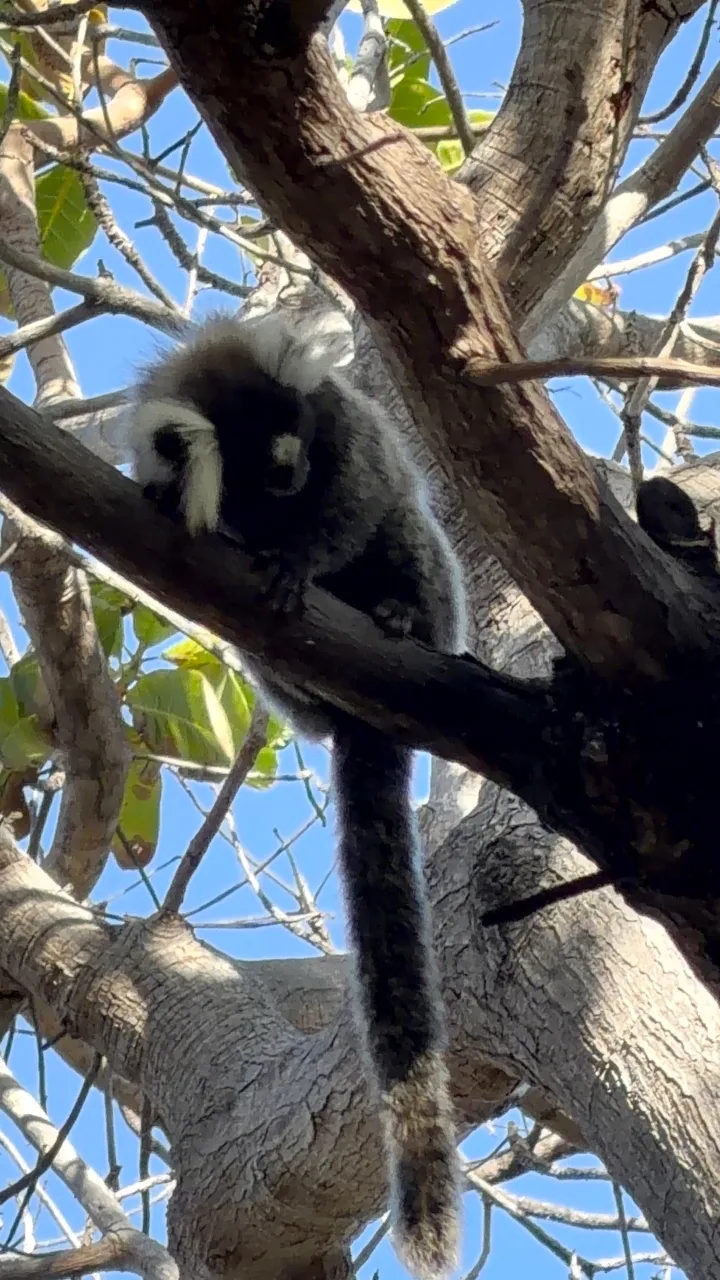
The mangrove is also a nursery for fish, shrimp and other crustaceans, and a feeding ground for birds. In the trees near the river at Barra do Fortim, marmosets can be spotted too, as the photos in the site gallery show.
New islands and a mangrove on the move
The Jaguaribe mangrove is not a fixed landscape. A UFC study comparing satellite images from 1988 to 2010 found that the estuary's islands grew by about 24 hectares, and the new land was quickly taken over by mangrove. The authors link the extra sediment to land use in the river basin, made worse by lower river flow from dams and by less rainfall.
The studies also point to pressures: dams, shrimp farming and fishing are among the factors that can affect the crab population. Under Brazilian law, mangroves are permanently protected areas.
By boat, from above or from the bank
The fullest way is a boat trip on the Jaguaribe, which takes 2 to 4 hours and passes mangrove stretches, birds and beaches you can only reach by water. Longer routes go upstream to the Canal do Amor and Ilha do Pinto, where the river narrows between mangrove walls. Boat operators' contacts are on the tours page.
If you want to stay close to the water, Barra do Fortim faces the river and has guesthouses such as Barra Beach House. From there the river and the mangrove are a short walk away, and you can head out early for the boat trip.
At the mouth of the Pirangi River, the calm shallow water lets you get close to the mangrove on foot. Whichever way you go, follow the basics:
- Do not pull up plants or seeds, and do not take crabs as souvenirs.
- Do not drive cars, motorbikes or ATVs into the vegetation.
- Take your rubbish back and wear repellent: mosquitoes come out in the late afternoon.
- Check the tide first: at low tide the roots and burrows show; at high tide the boat can go deeper into the channels.
Frequently asked questions
Accommodation in
Fortim
From budget guesthouses to luxury eco resorts — Fortim has options for every profile and budget. Visit the official sites and book directly.
Barra Beach House
Jaguaribe Lodge
Vila Selvagem
Jaguarindia Village
Pausa Hotel
Recanto Beija Flor
Want to advertise in the Fortim guide?
Guesthouses, restaurants, buggy drivers and tours.
Your business can appear in this guide and be found by tourists from Brazil and abroad searching for things to do in Fortim. Leave your details and we will get back to you.
See also
Want to see the mangroves up close?
Fortim's boat operators run trips on the Jaguaribe, with longer routes up to the Canal do Amor.
See the tours